
Homemade Winter Ferments – How to Ferment, What to Ferment, and Why It’s Worth It
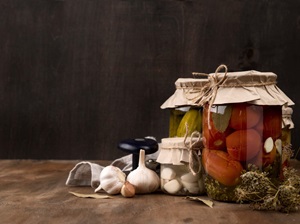
Fermented foods are one of the oldest and healthiest methods of food preservation, and they become especially popular again during winter. When access to fresh vegetables is limited, homemade ferments not only add variety to the diet but also support immunity and improve digestion. What’s more, preparing them is not difficult at all.
Why Ferment?
The fermentation process is a natural lactic acid fermentation in which beneficial bacteria convert the sugars found in vegetables into lactic acid. Thanks to this, fermented foods are long-lasting and rich in probiotics, vitamins (especially C and K), and enzymes that support gut health. Eating fermented foods regularly helps build immunity, which is particularly important during the winter months.
What Can You Ferment in Winter?
Cabbage and cucumbers are the most classic choices, of course, but the possibilities go far beyond that. Beets, carrots, cauliflower, radishes, celery, garlic, bell peppers, and even lemons are all excellent for fermenting. Mixed ferments are also becoming increasingly popular — combining several vegetables in one jar with spices, herbs, and warming seasonings. This allows you to create your own unique flavor combinations.
How to Ferment Step by Step
The basics are high-quality vegetables, clean jars, and salt — preferably non-iodized. Wash the vegetables thoroughly, cut them or leave them whole, then pack them tightly into the container. The brine is made from water and salt (most commonly 1 tablespoon of salt per 1 liter of water). It’s crucial that the vegetables are completely submerged in the brine, as exposure to air can cause spoilage. After a few days of fermentation at room temperature, the ferments should be moved to a cool place, where they can mature for weeks or even months.
Homemade Ferments Are More Than Just Winter Storage
They’re a conscious choice — less processed food, more nature and flavor. By fermenting at home, you control the ingredients, the amount of salt, and any additions. It’s a simple step toward a healthier, seasonal way of cooking that can truly warm you up in winter — not just your taste buds.
Recommended

Jar with Clip Glass 500 ml

Jar with Clip Glass 200 ml

Jar with Clip Glass 1 l

Jar with Clip Glass 70 ml

Jar with Clip Glass 220 ml

Jar with Clip Glass 1.5 l

Jar Lifter Steel

Jar with Clip Glass IRMA 2.4 l

Jars Seals Silicone 6 pcs

Spice Jar Glass 90 Stickers 100 ml 24 pcs
